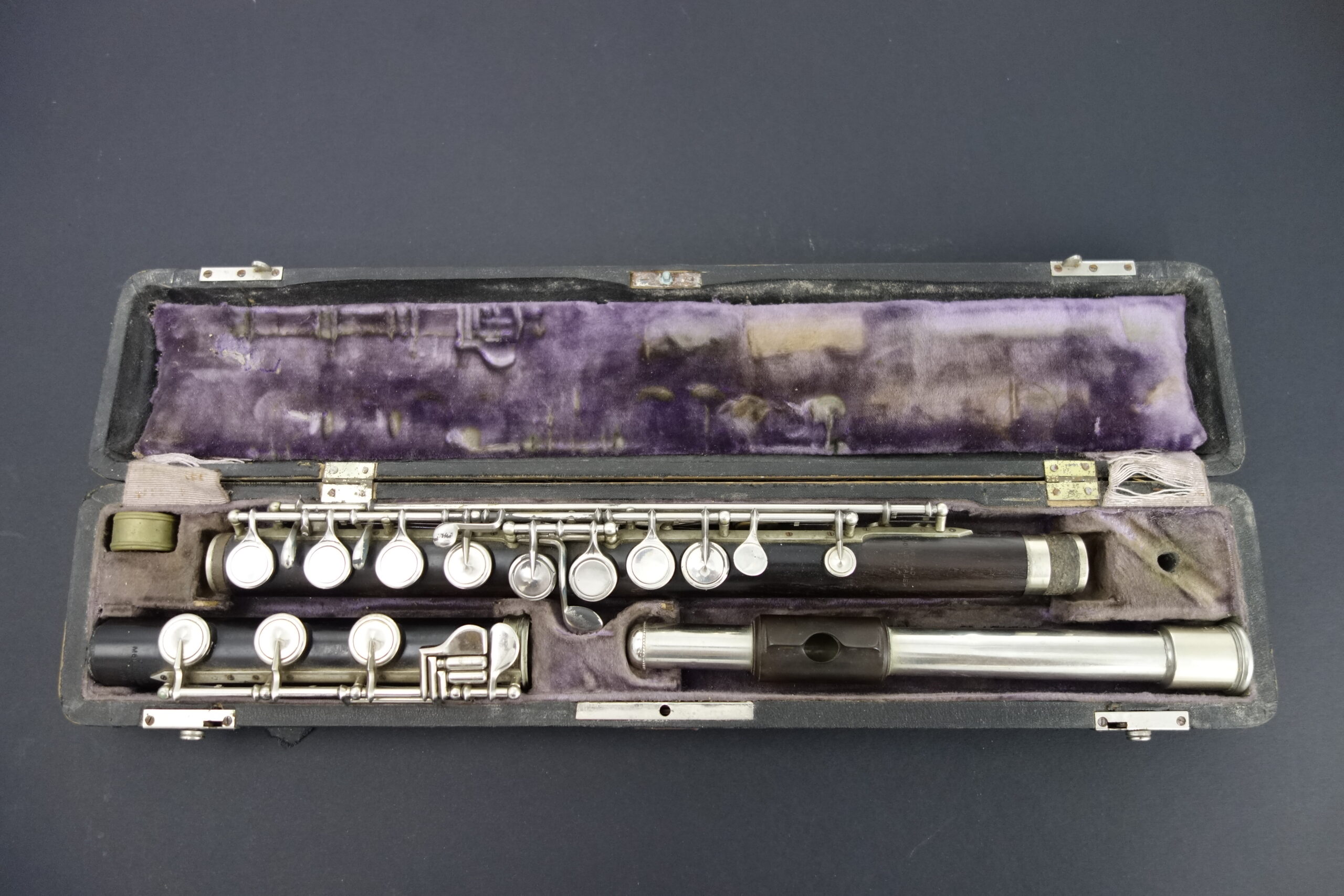
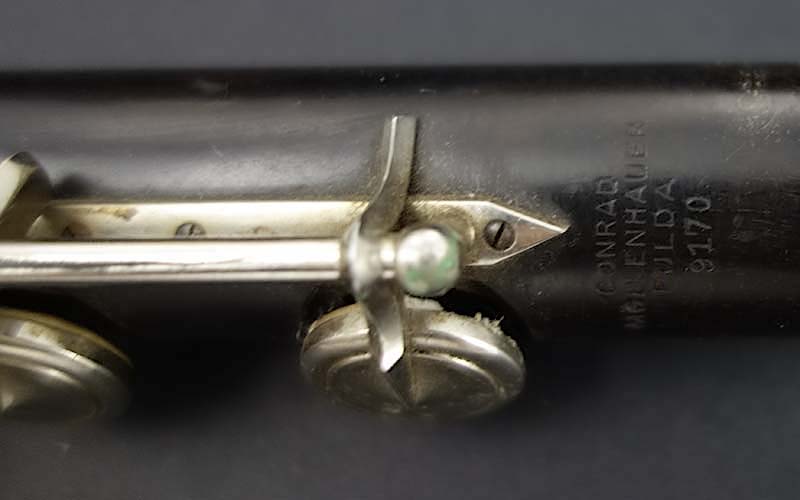
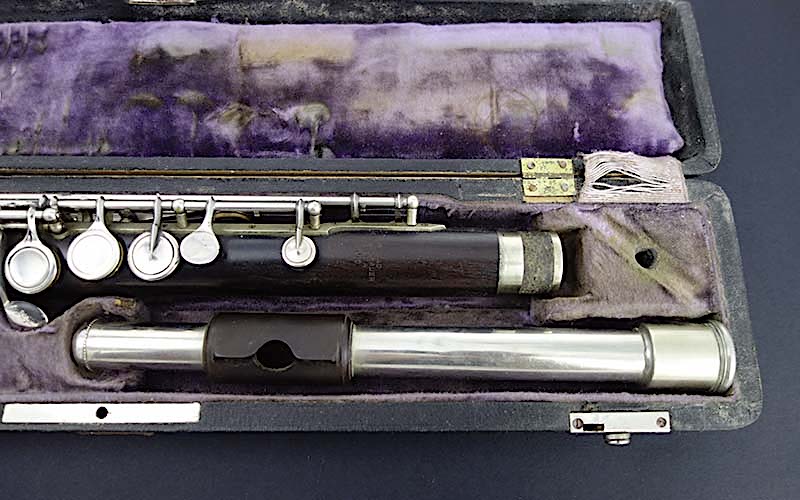
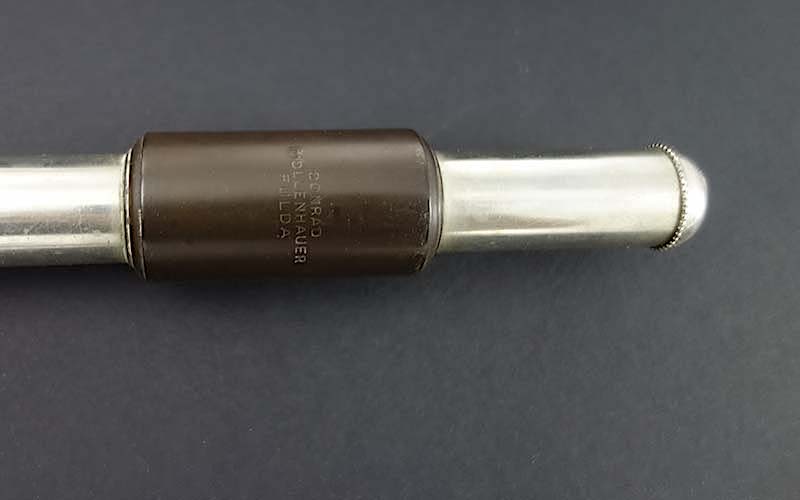
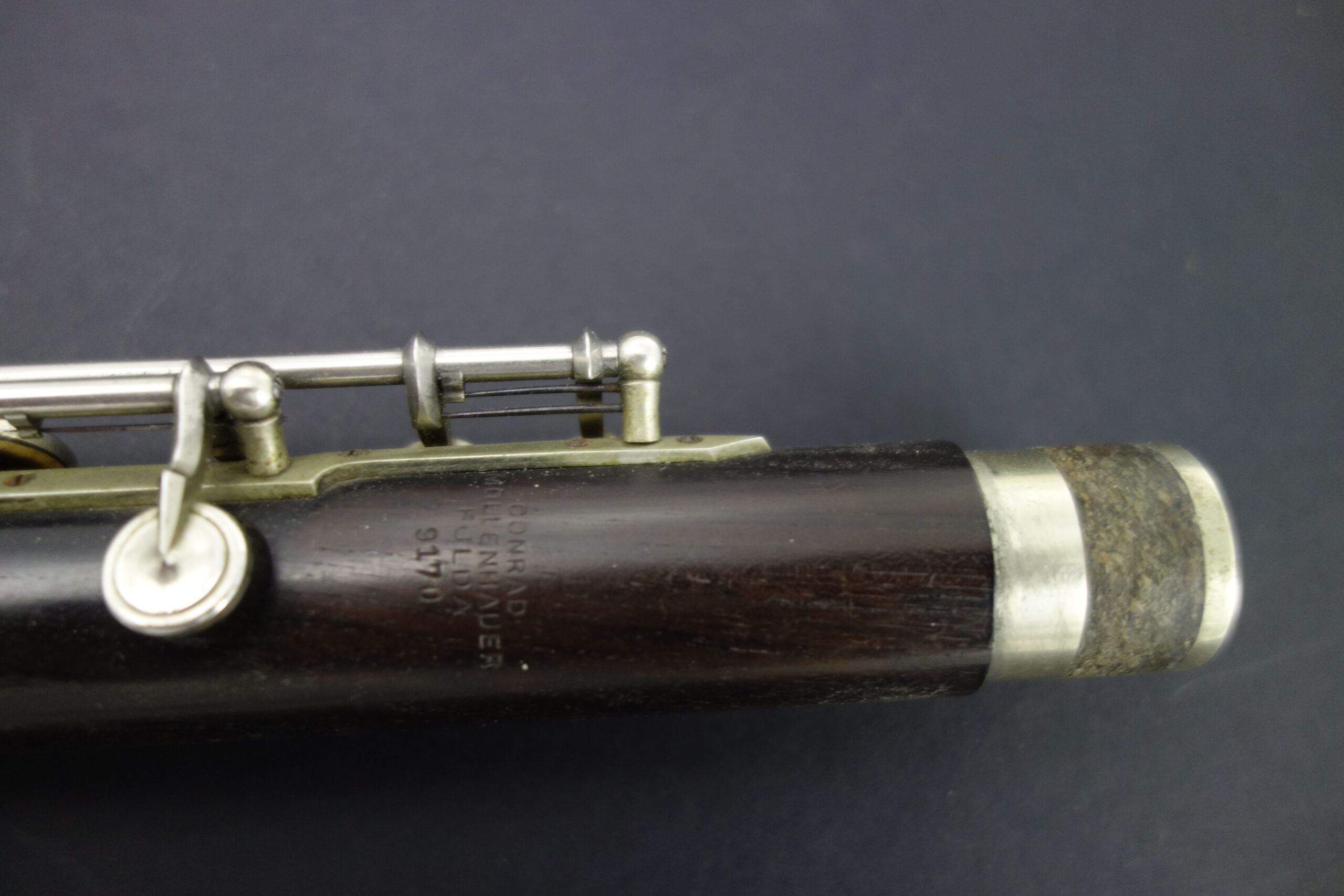
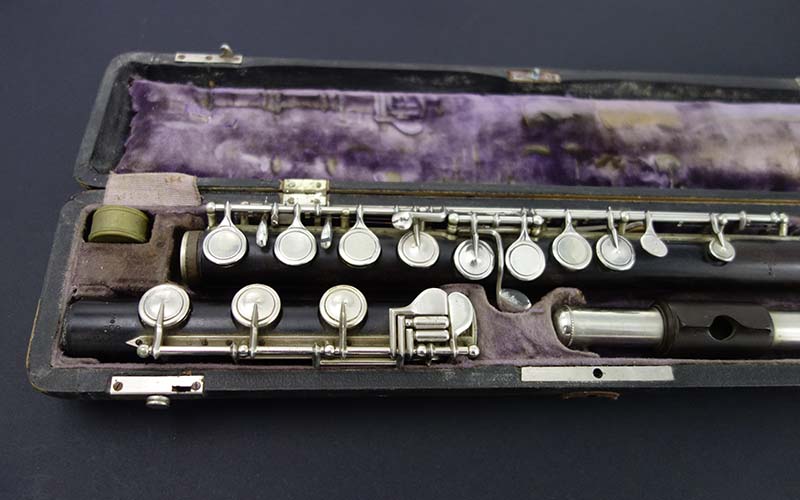
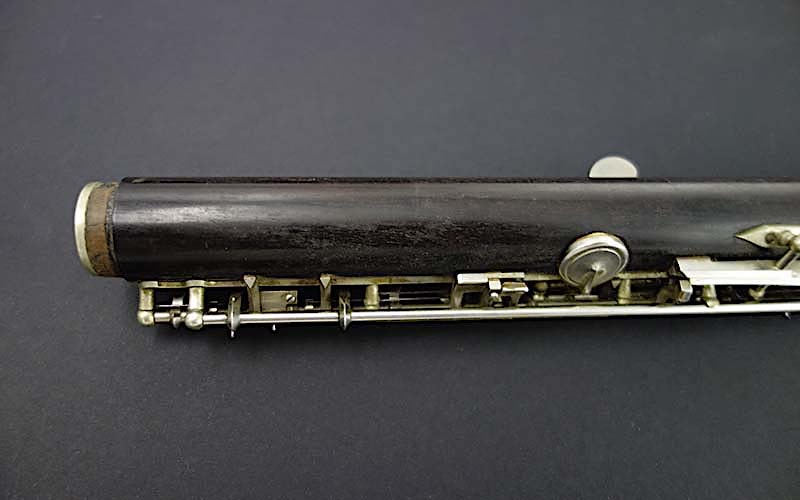
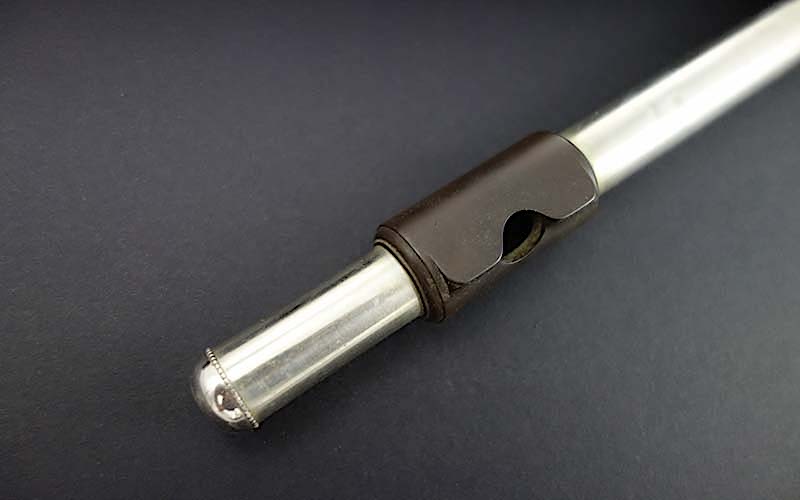
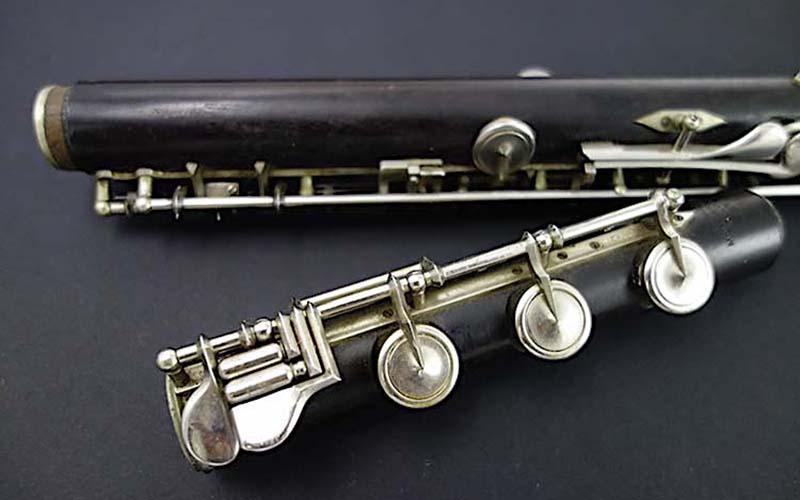
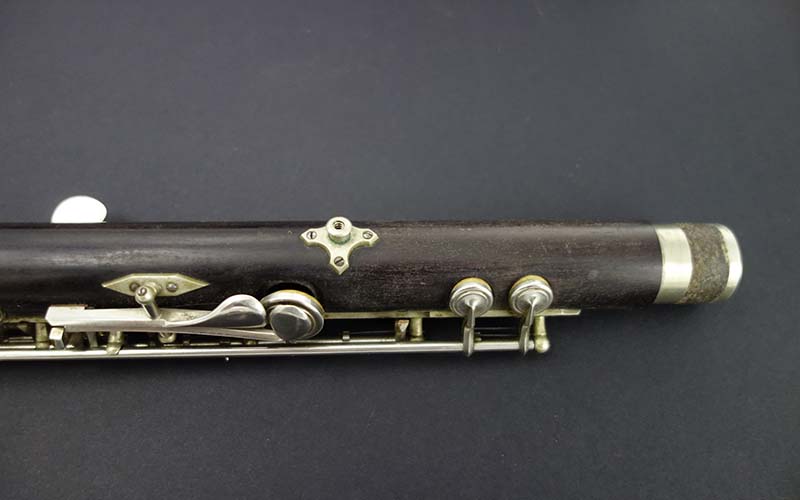
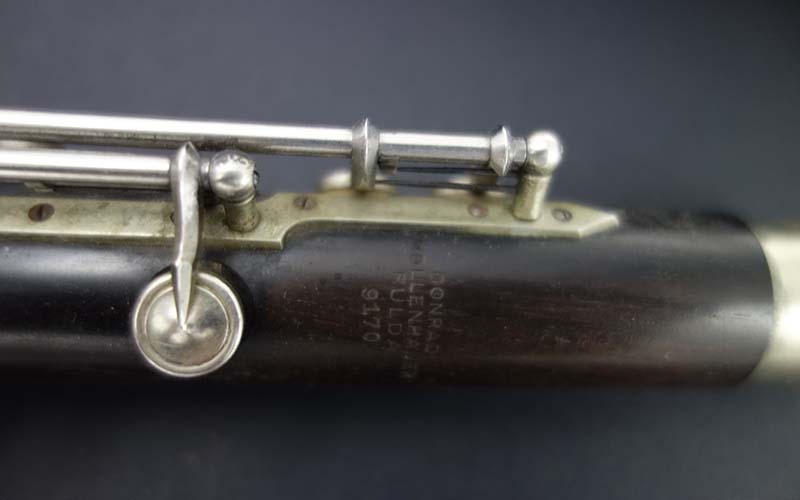
Now well known for their recorder production, the Mollenhauers had been producing excellent transverse flutes since the second half of the 19th century, but they were abandoned after the Second World War in favor of recorders, which were highly sought after by the school market and then, starting from the recorder revival in the 1960s (Hans Martin Linde, Frans Bruggen), to perform early music played on period instruments (for example, Bach, BVW 1049, which expressly called for two recorders). The founder of the business was Johann Andreas Mollenhauer (1798–1871), who opened his workshop in Fulda in 1822, producing flutes, oboes, and clarinets. In 1864 the family split: Gustav Mollenhauer founded the Gustav Mollenhauer & Söhne firm in Kassel, active in the construction of woodwind instruments, while the Fulda branch continued under the leadership of Conrad Mollenhauer, who perfected his skills as a worker for Emil Ritterhausen, the most famous of German flute makers, known for the extremely high quality of his flutes. This flute by Conrad Mollenhauer is a typical Boehm flute of the German school, with a wooden body and metal headjoint, descending to B. This instrument dates back to the late 19th century as it features an archaic inflation hole reminiscent of the early Rudalls, which had a cylindrical barrell for the inflation hole. Both the action and the wood are in excellent condition, with no cracks.Serial number is 9170. The flute requires new pads, weighs 495 g, and is tuned to 440.