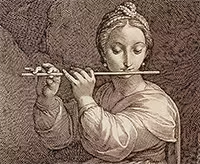
Euterpe
Historical Flutes
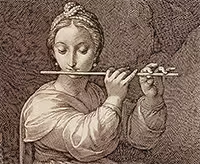
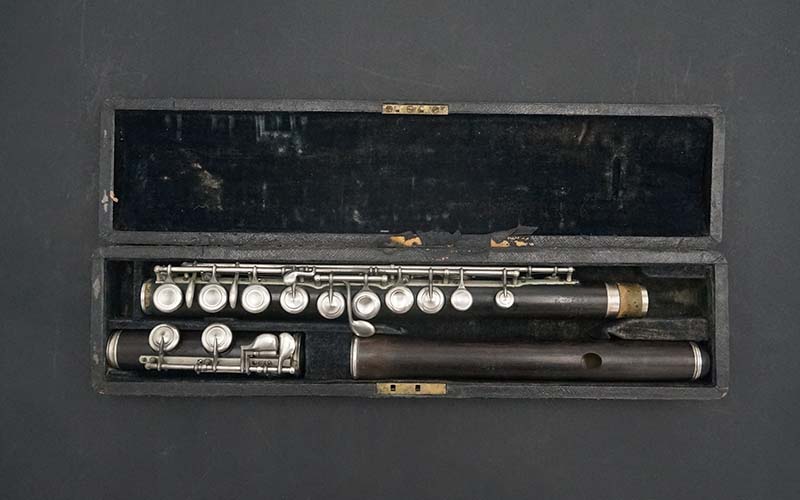
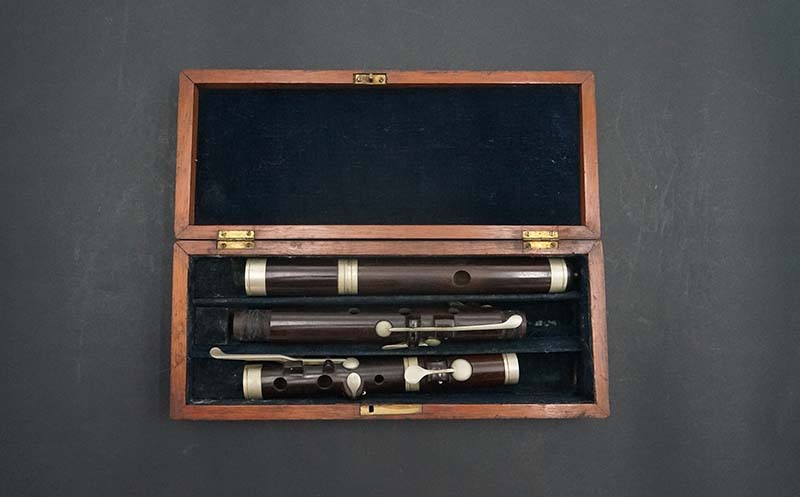
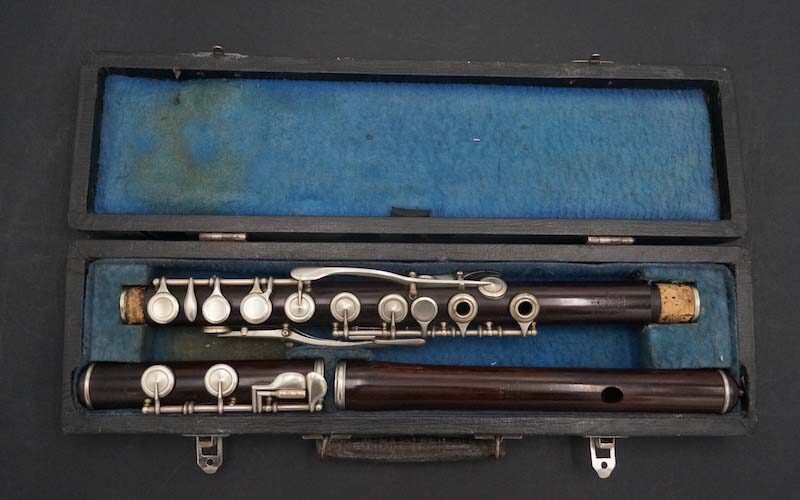
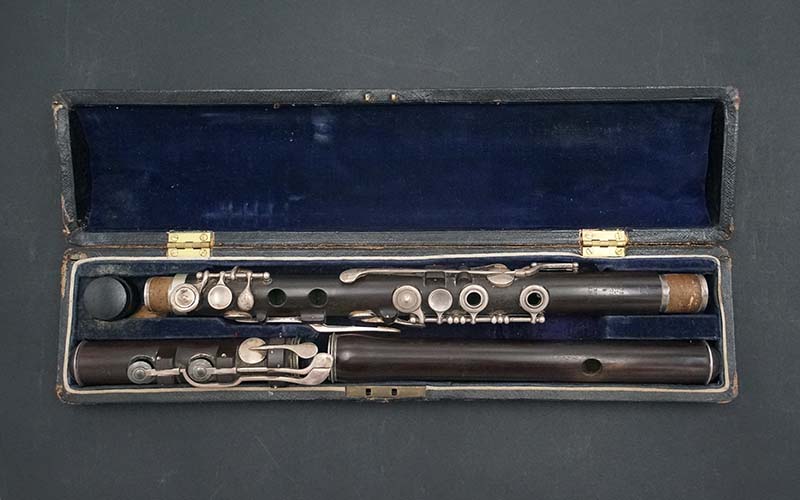
The nineteenth century was the golden age of the English flute, which, at the beginning of the century, spearheaded a series of modifications aimed at updating the instrument’s capabilities, as it competed with orchestras of increasingly powerful sounds. Monzani, Nicholson, and Captain Gordon succeeded in giving the flute a greater voice, but above all, they threw down the gauntlet to Thebald Boehm, who in 1832 presented his improved flute, later supplanted by the 1851 version that laid the foundations of the modern flute. Numerous English reformed makers stood out, among them Pratten, but especially Rudall, Rose & Carte, who produced instruments that bordered on the preciousness of art objects, as well as more popular and democratic instruments that, in the hands of amateur musicians, fostered the development of chamber music.